Jacksonville's Concrete Scanning & GPR Experts
Ground penetrating radar services from a technician with 23 years of field experience. Same-day response, travel included within 30 miles, locally operated.
What We Do
Concrete Scanning & GPR Services
We use ground penetrating radar to show you what's inside concrete before you cut, core, or drill. Every scan is performed and interpreted by the same experienced technician — not a rotating crew of subcontractors.
Rebar & Conduit Locating
Map reinforcing steel, electrical conduit, and plumbing lines embedded in concrete slabs, walls, and columns. Know exactly where every obstacle is before your crew starts drilling.
Post-Tension Cable Detection
Locate high-stress post-tension cables that can cause catastrophic failure if severed. Critical for any work on commercial buildings, parking garages, and elevated slabs built after the 1970s.
Conduit & Pipe Mapping
Locate electrical conduit, plumbing lines, and embedded pipes within concrete slabs and walls before drilling or anchoring. Know what's in the concrete before your bit goes in.
Void & Anomaly Detection
Find hidden voids, delamination, and structural anomalies within concrete that indicate deterioration, poor consolidation, or subsurface problems before they become failures.
Slab Thickness Measurement
Verify concrete slab thickness for renovation planning, load calculations, and code compliance. Non-destructive measurement without coring or invasive testing.
On-Site Results & Reports
Every scan includes on-site interpretation with depth readings, rebar spacing, anomaly notes, and surface markings your crew can work from immediately. Written reports with photos of marked areas and scan findings available by request — let us know when scheduling so we capture everything you need.
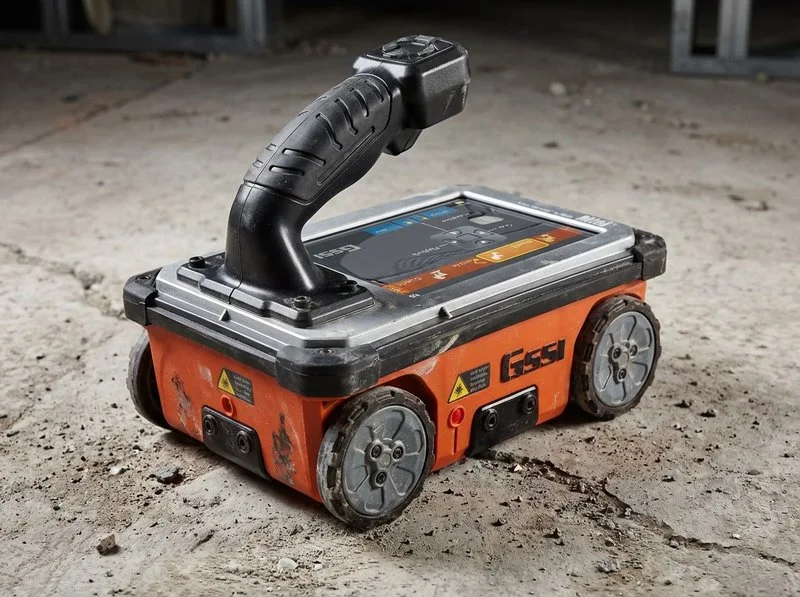
Real Equipment, Real Experience
GSSI Ground Penetrating Radar
We use GSSI professional-grade GPR equipment — the same technology used on highway infrastructure, nuclear facilities, and hospital construction projects. The antenna sends electromagnetic pulses into concrete that reflect back when they encounter embedded objects, producing a real-time subsurface image on screen.
What separates a good scan from a dangerous one is interpretation. The equipment shows you lines on a screen — knowing what those lines mean takes years of field experience. Twenty-three years of reading scans across every type of structure — including concrete coring projects through our Atlanta Concrete Coring operation — means we know the difference between rebar, a post-tension cable, and a conduit before anyone picks up a drill.
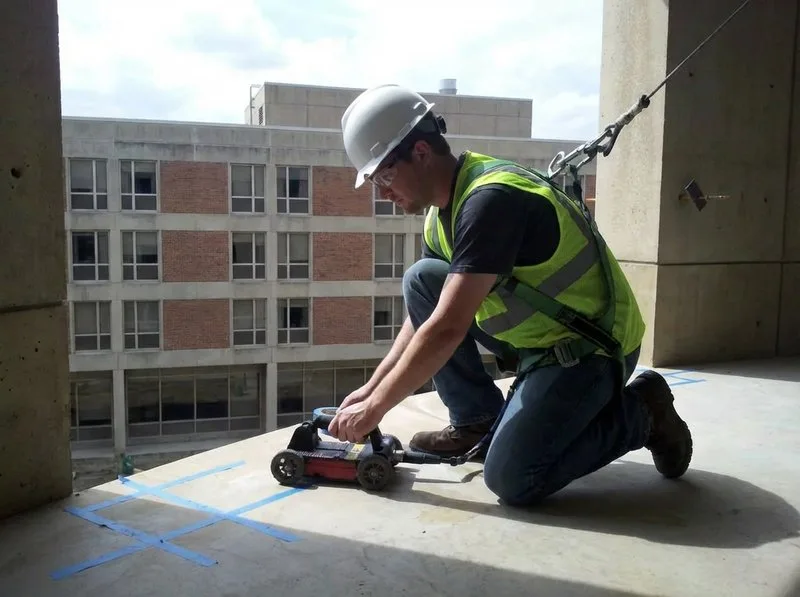
Clear Results, Safe Work
Marked and Ready for Your Crew
After scanning, we mark the concrete surface directly — spray paint or chalk showing exactly where rebar, conduit, and cables are located. Your crew gets clear visual guidance: green zones where it's safe to drill, and marked hazards to avoid.
- Real-time on-site interpretation — no waiting for a lab report
- Surface markings your crew can work from immediately
- Depth readings, spacing, and anomaly notes provided on-site
- Written reports with photos available by request — let us know when scheduling
Why Xenogenesis
A Local Technician, Not a National Call Center
When you call us, you're talking to the same person who shows up to scan your project. No dispatchers, no subcontractors, no waiting for someone to drive in from Tampa.
The Process
How Concrete Scanning Works
You Call, We Talk
Call (904) 835-2193 or submit a request. We'll discuss what you're planning to do — coring, cutting, drilling, anchoring — and what you need scanned. If you need us today, we'll be there today.
GPR Scan On-Site
We move the radar antenna across the concrete in a systematic grid pattern. The GPR sends electromagnetic pulses into the slab that reflect back when they hit rebar, conduit, cables, or voids. Results appear on screen in real time.
Interpret & Mark
We interpret the scan data on-site and mark the concrete surface with the locations of embedded objects — depth, spacing, and any anomalies noted. Your crew gets clear visual guidance showing exactly where it's safe to work and where to avoid. If you need a written report with photos, let us know when scheduling and we'll document everything on-site.
Where We Work
Jacksonville Service Areas
Same-day concrete scanning service throughout Jacksonville and Northeast Florida. Travel is included in your service fee within 30 miles of downtown. Projects beyond 30 miles quoted upfront.
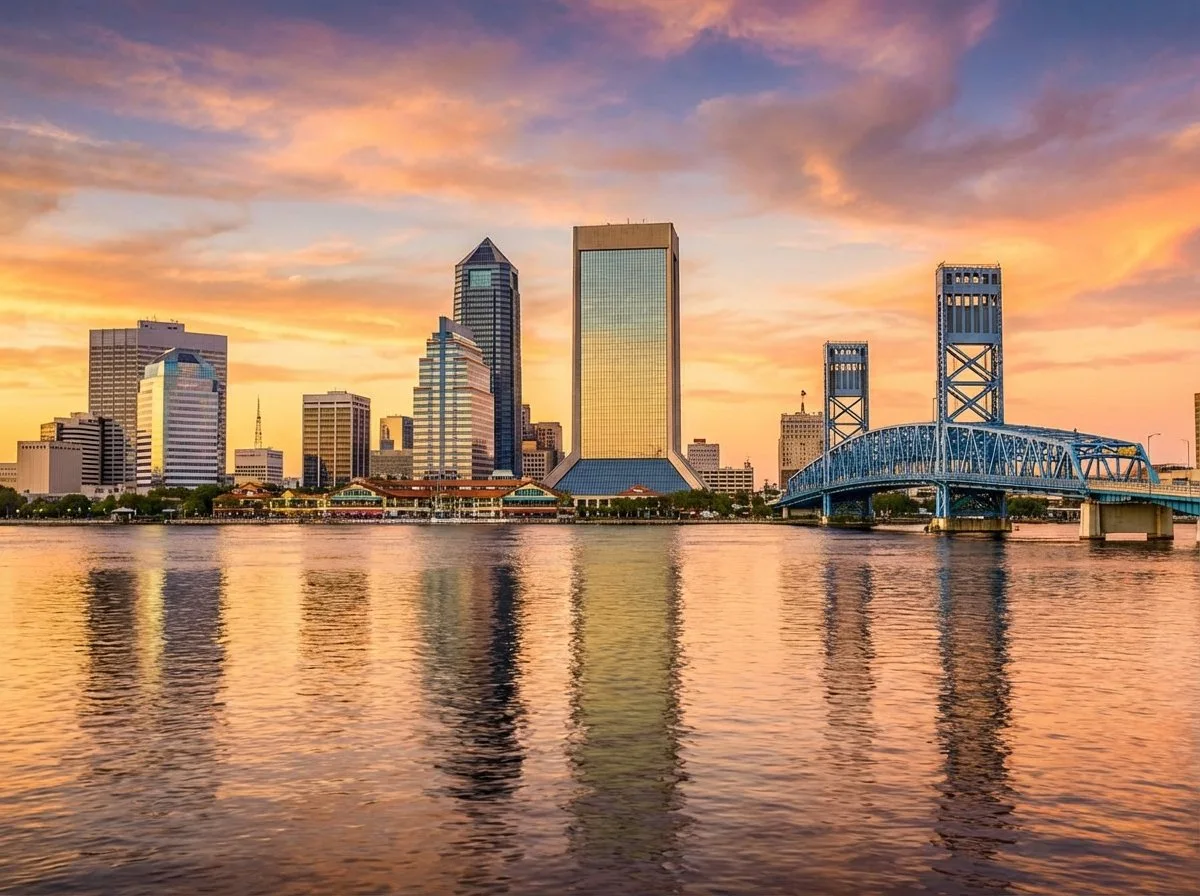
Downtown Jacksonville
High-rises, parking garages, commercial towers, government buildings.
View details →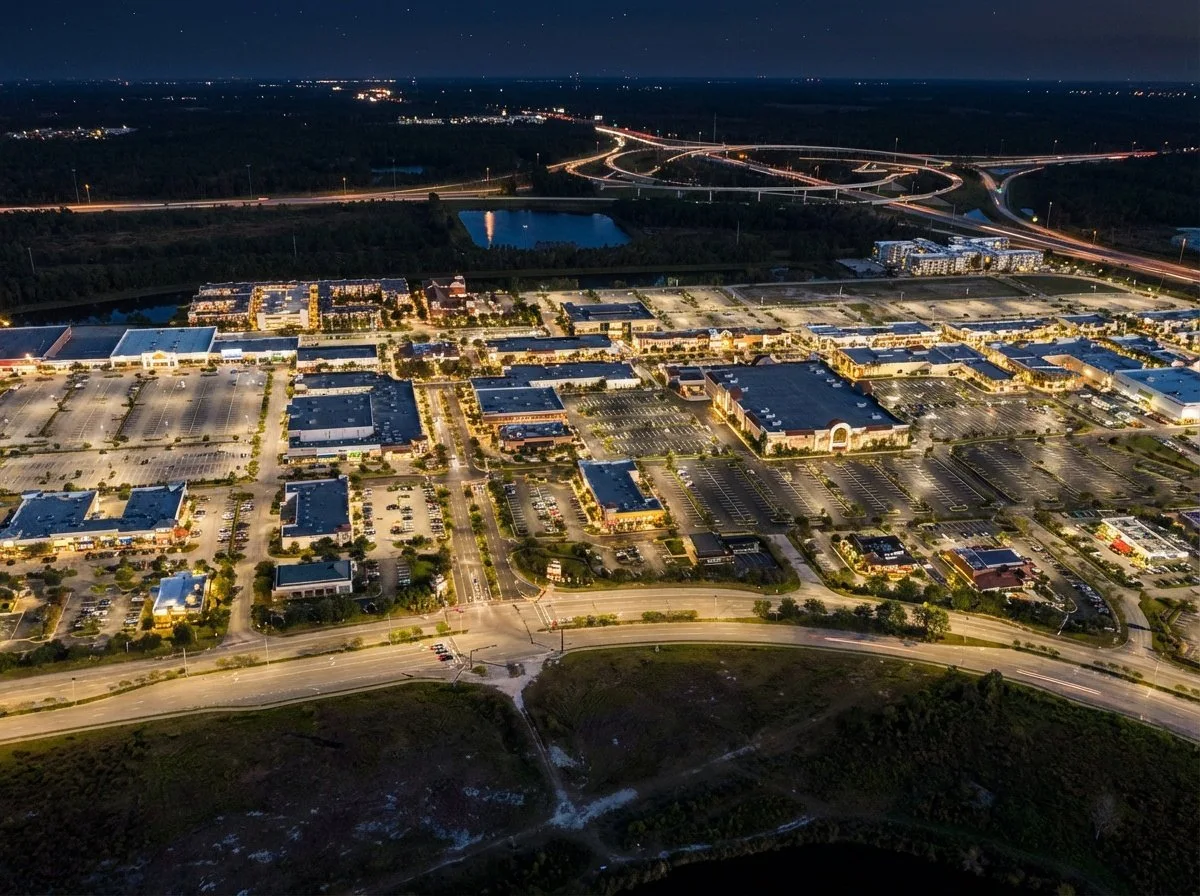
Southside Jacksonville
St. Johns Town Center, Baymeadows, Deerwood business parks, retail.
View details →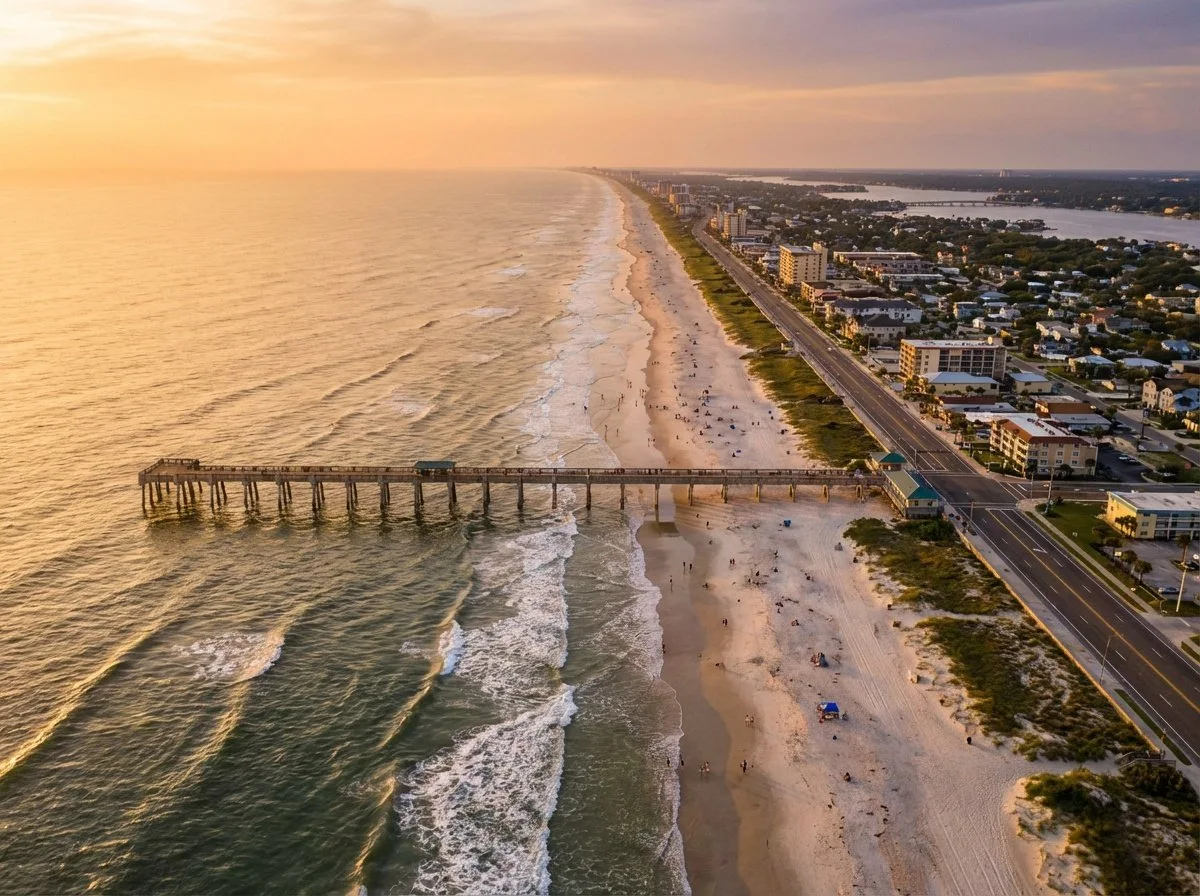
Jacksonville Beach
Beachside commercial, residential, and hospitality projects.
View details →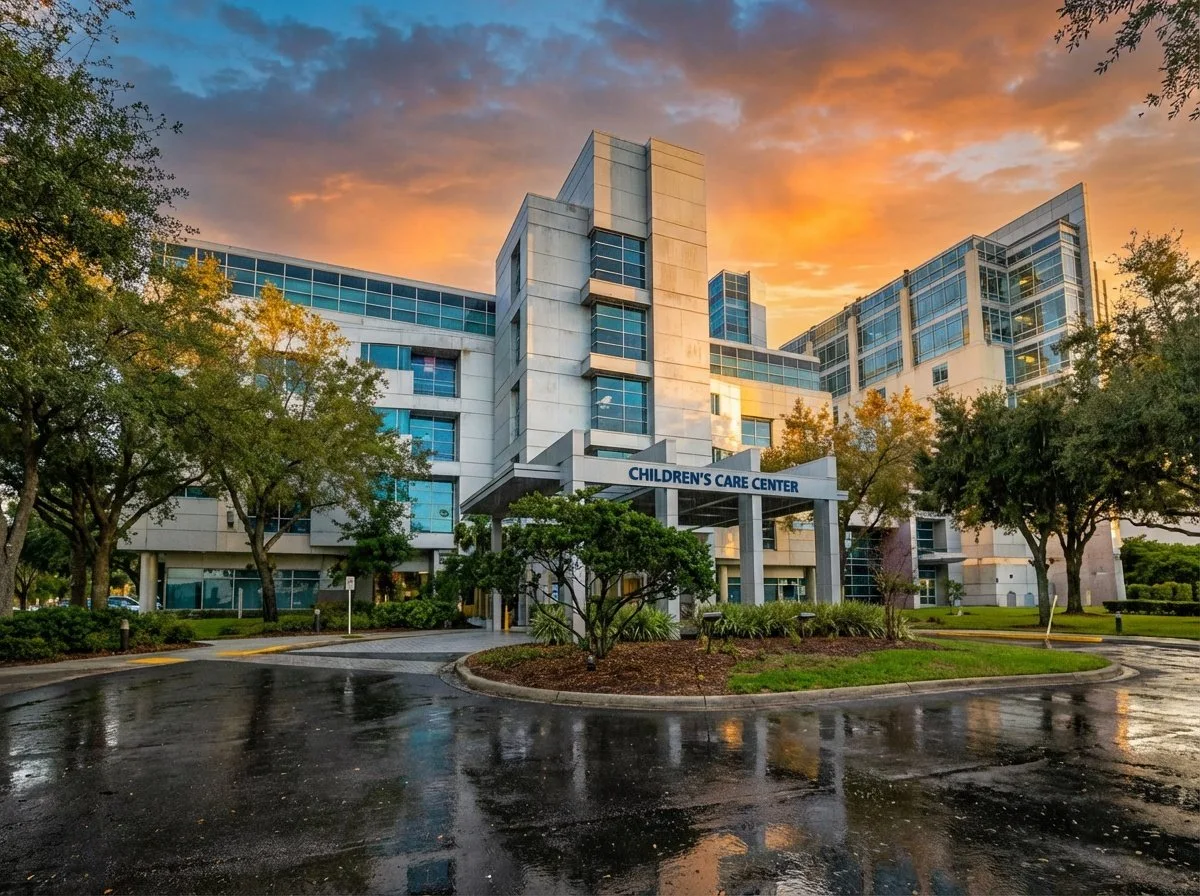
Medical District
Mayo Clinic, Baptist Health, UF Health, hospital infrastructure.
View details →Get Started
Tell Us About Your Project
Call us directly or fill out a quick form with your project details — location, type of work planned, and timeline. We'll respond within one business hour.
Same-day service available · Travel included within 30 miles of downtown
Common Questions
Frequently Asked Questions
What is concrete scanning and why do I need it before drilling?
Concrete scanning uses ground penetrating radar (GPR) to create a real-time image of what's inside a concrete slab or wall before you cut, core, or drill into it. The radar antenna sends electromagnetic pulses into the concrete that bounce back when they hit embedded objects — rebar, post-tension cables, electrical conduits, plumbing, or voids. Without scanning, you're drilling blind into material that may contain live electrical lines or stressed post-tension cables. Severing a post-tension cable can cause structural failure and cost $10,000 or more in emergency repairs, with some reaching over $1 million. A GPR scan takes minutes and prevents catastrophic damage.
How fast can you get to a job site in Jacksonville?
Same-day service is standard for most of Jacksonville. Call (904) 835-2193 in the morning and we're typically on-site by early afternoon. For urgent situations where a contractor has crews waiting and needs a scan before work can proceed, we prioritize response time. We're locally based in the Jacksonville area, which means no waiting for a technician to drive in from Tampa or Orlando. Travel is included in your service fee for projects within 30 miles of downtown Jacksonville — no separate travel charge. For projects beyond 30 miles, we provide a travel quote upfront so there are no surprises.
How much does concrete scanning cost in Jacksonville?
Pricing depends on the scope of the job. A single-area residential scan typically runs $250 to $600. Commercial projects scanning a section of slab for a renovation or tenant buildout usually fall in the $250 to $1,500 range. Large-scale projects involving full-floor scans, post-tension cable mapping, or detailed reporting can run $250 to $5,000 or more. Travel is included in your service fee for projects within 30 miles of downtown Jacksonville. For projects outside that radius, we provide a travel quote upfront so you know the full cost before we schedule. Read our full pricing guide.
What is post-tension cable detection and why is it critical?
Post-tension cables are high-strength steel tendons embedded in concrete that are tensioned after the concrete cures to add structural strength. They're under thousands of pounds of force. Buildings constructed from the 1970s onward — especially commercial high-rises, parking garages, and elevated slabs — commonly use post-tension systems. Cutting or drilling into a post-tension cable releases that stored energy violently, potentially injuring workers and compromising the structural integrity of the entire floor. GPR scanning identifies these cables before work begins so contractors know exactly where not to cut.
What areas of Jacksonville do you serve?
We serve the entire Jacksonville metropolitan area including Downtown Jacksonville, Southside (St. Johns Town Center, Baymeadows, Deerwood), Jacksonville Beach and the beaches communities, the Medical District (Mayo Clinic, Baptist Health, UF Health corridor), Orange Park, Fleming Island, St. Augustine, and surrounding Northeast Florida. Travel is included in your service fee for projects within 30 miles of downtown. For locations beyond that, we provide a travel quote upfront when you call.
How accurate is ground penetrating radar?
GPR typically locates metallic objects like rebar and conduit to within 1–2 inches horizontally and provides depth measurements accurate to within half an inch in standard concrete. Non-metallic objects like PVC pipes and voids can be detected but with somewhat lower precision depending on concrete composition, moisture content, and object depth. No scanning technology is 100% — that's why experienced interpretation matters as much as the equipment. Twenty-three years of reading GPR scans means we know what we're looking at. Read our accuracy guide.
Do I need concrete scanning for a residential project?
If you're cutting, coring, or drilling into any concrete in a residential setting, scanning is recommended. Even residential concrete can contain electrical conduit, plumbing, radiant heating lines, or rebar. Post-tension cables are increasingly common in Florida residential construction, especially in developments built after 1990 with elevated slabs or PT slab-on-grade foundations. A $250–$600 scan is cheap insurance against cutting a live electrical line or triggering a post-tension cable repair that can start at $10,000 and exceed $1 million on commercial structures.
Is Xenogenesis Concrete Radar Imaging fully insured?
Yes. Xenogenesis carries comprehensive general liability, professional liability, and errors and omissions (E&O) insurance. Our coverage meets the requirements for work on critical infrastructure and high-security facilities — we are insured at levels required to perform scanning at major airports, nuclear facilities, hospital systems, and government buildings. This means every scan we perform on your project is backed by real insurance coverage, not just a marketing guarantee. If your project requires certificates of insurance or additional insured endorsements, we can provide them. Our parent company Xenogenesis LLC has maintained this level of coverage since 2002.
Need a Scan Before Your Crew Starts?
Same-day GPR scanning throughout Jacksonville. Travel included within 30 miles. One call.
Call (904) 835-2193