
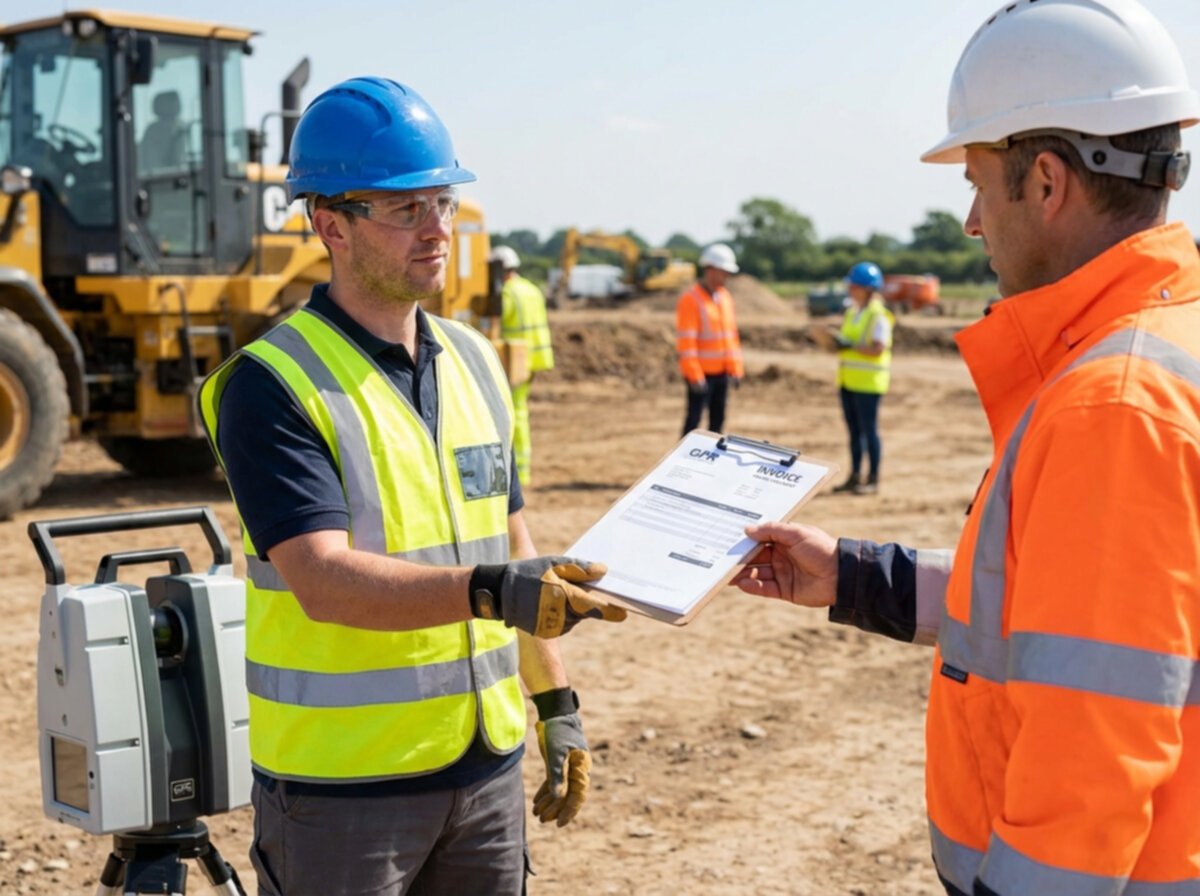
When contractors call asking about concrete scanning costs, the honest answer is: it depends on what you need scanned. But that's not helpful when you're trying to budget a project, so let me give you actual numbers and explain what drives pricing differences in the Jacksonville market.
After 23 years providing concrete scanning services, I can tell you that pricing transparency matters more than having the absolute lowest rate. Understanding what you're paying for—and what you're not paying for—helps you make informed decisions and avoid surprises when projects begin.
Jacksonville Concrete Scanning Pricing Overview
- Call-out fee structure: $115 call-out fee covers travel throughout Jacksonville metro—no additional mileage or travel time charges
- Single location cost: Approximately $250 total ($115 call-out + location scanning) for single verifications—most predictable for defined needs
- Multiple locations: Cost per location remains consistent through first 29 locations, reduces slightly at 30+ locations due to project efficiency
- Slab on grade pricing: Ground-level concrete charged by linear foot—precise quotes available when you know exact linear footage
- Hourly rates: $150-$300/hour plus $115 call-out for larger projects—distant companies charge $200-$500/hour plus $500-$1,200 travel fees
- Equipment quality affects pricing: Professional GSSI systems ($25K-$30K) enable faster, more reliable scanning than entry-level equipment ($1,500-$5,000)
- Specialization costs less long-term: Companies focusing exclusively on scanning work more efficiently than general contractors offering scanning as side services
- Same-day availability: Emergency or same-day scanning may cost 25-50% premiums, scheduled projects get standard rates
Understanding Per-Location Pricing
Most concrete scanning in Jacksonville uses per-location pricing because it provides predictable costs for contractors who know exactly what they need verified. A "location" in industry standard terms means a 2-foot by 2-foot area—enough space to safely place one or two drill holes, core penetrations, or anchor points.
Our pricing includes a $115 call-out fee covering travel to your site and equipment setup. For single location verification, total cost runs approximately $250 (call-out plus scanning one location). Additional locations during the same visit cost less per location since we're already on site.
For projects requiring many location verifications, pricing remains consistent through the first 29 locations, then reduces slightly starting at the 30th location due to the efficiency of scanning larger projects.
Slab on Grade Projects
For ground-level concrete slabs (not elevated floors), we typically price by linear foot rather than per-location. If you know the exact linear feet requiring scanning, we can provide precise project costs. This pricing method works well for trenching verification, utility routing assessment, or continuous line scanning along walls or foundations.
When Per-Location Pricing Makes Sense
Per-location pricing works best when you have defined needs:
A mechanical contractor installing HVAC equipment knows they need four anchor points verified in specific locations. Per-location pricing gives them exact costs: 4 locations × $100 = $400. No surprises, no hourly billing unknowns.
An electrician routing conduit through a Medical District facility needs three specific wall penetration points verified. Again, per-location pricing provides budget certainty: 3 locations × $125 = $375.
Property managers requiring GPR before tenant improvements can include per-location costs directly in their tenant buildout requirements, passing predictable expenses to tenants performing the work.
What's Included in Per-Location Pricing
Our per-location rate includes everything needed for that specific verification:
Travel to your site: For Jacksonville and Northeast Florida locations, we include travel in the per-location rate—no separate travel fees. Companies traveling from Tampa, Orlando, or Atlanta typically add $500-$1,200 in travel charges on top of per-location rates, making them substantially more expensive despite similar base pricing.
Equipment setup and scanning: We use professional GSSI GPR systems calibrated specifically for concrete scanning applications. Setup, scanning the designated location from multiple angles for thorough coverage, and data interpretation are all included.
Floor marking: We mark the floor with spray paint showing where subsurface objects exist—rebar patterns, post-tension cables, conduits, voids, or other features contractors need to avoid. Clear marking lets contractors proceed confidently knowing exactly where they can safely work.
Photo documentation: We photograph the marked floor showing what our scanning revealed. These photos provide records for property management, contractor documentation, and liability protection showing preventive measures were taken.
On-site consultation: We provide educated assessments of what scanning reveals. While we can't distinguish with 100% certainty whether metal objects are rebar, post-tension cables, or conduits, our experience allows informed interpretations based on depth, pattern, and signal characteristics. We discuss findings on-site and answer questions about subsurface conditions.
Hourly Pricing for Larger Projects
When projects involve comprehensive floor scanning, extensive area coverage, or undefined scope where contractors want thorough assessment before finalizing work plans, hourly pricing provides more flexibility than per-location rates.
Local Jacksonville-based providers typically charge $150-$300 per hour depending on project complexity and equipment requirements. Companies traveling from Tampa, Orlando, or Atlanta often charge $200-$500 per hour plus separate travel fees, making their effective hourly costs substantially higher.
When Hourly Pricing Makes More Sense
Hourly pricing works better for certain project types:
Comprehensive tenant improvements: A Southside industrial tenant planning extensive equipment installations throughout a 5,000 square foot space benefits from hourly scanning. Rather than pricing 50+ individual locations, we can systematically scan the entire area, map all subsurface infrastructure, and provide comprehensive information for work planning.
Exploratory assessments: Property managers evaluating infrastructure conditions in older buildings often don't know exactly what they're looking for—they want thorough assessment revealing what exists. Hourly pricing allows comprehensive investigation without requiring defined location counts upfront.
Complex Medical District projects: Medical facility improvements requiring specialized equipment mounting with precise placement specifications benefit from thorough hourly scanning. We can verify primary locations, provide alternative options if initial locations show obstacles, and ensure contractors have complete information for critical installations.
Parking structure assessments: Facilities managers at Jacksonville Beach commercial properties evaluating parking structure condition for maintenance planning need comprehensive scanning covering large areas. Hourly pricing enables systematic assessment without limiting coverage to predefined location counts.
What Affects Hourly Rates
Several factors influence hourly pricing for concrete scanning projects:
Equipment sophistication: Professional GSSI systems costing $25,000-$30,000 enable faster scanning with better data quality compared to entry-level equipment. Companies investing in professional equipment can scan more efficiently, potentially completing projects in less total time despite charging appropriate hourly rates.
Operator experience: Technicians who scan concrete daily work more efficiently than occasional users. We interpret data quickly, recognize patterns immediately, and mark floors accurately without time-consuming verification processes that inexperienced operators require. This efficiency translates to fewer billable hours for equivalent coverage.
Project accessibility: Easily accessible ground-level floors scan faster than upper-level locations requiring equipment transport up stairs or elevators. Occupied spaces where we work around furniture or operating businesses take more time than vacant spaces allowing unrestricted access.
Subsurface complexity: Lightly reinforced concrete with simple rebar patterns scans faster than heavily reinforced floors with multiple infrastructure layers. Older buildings with additions and modifications over decades require more careful interpretation than newer construction with predictable patterns.
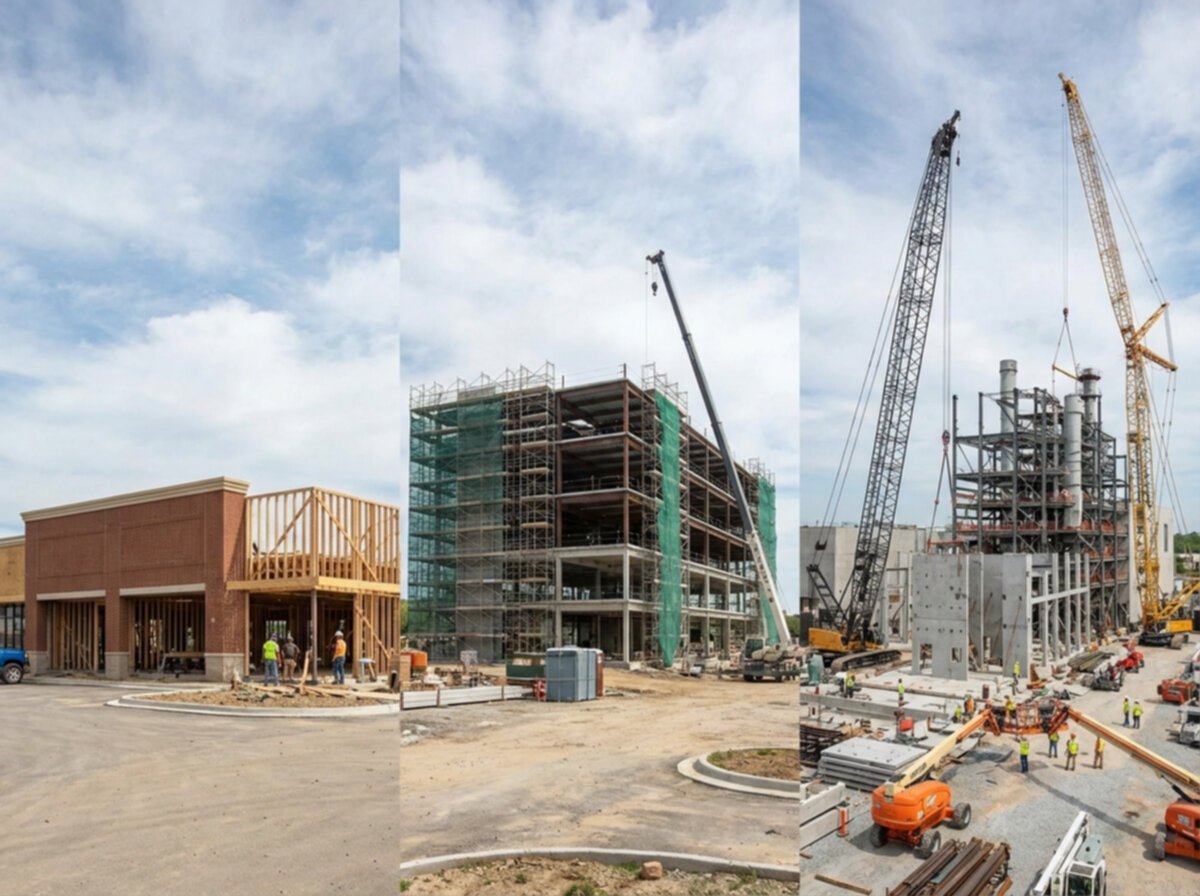
Project scope significantly affects pricing—single location verifications cost less than comprehensive floor assessments, while complex multi-level projects require more time than simple ground-floor scanning
The Travel Fee Factor: Why Location Matters
One of the most significant cost differences between concrete scanning providers comes from travel fees. This single factor often makes local providers more economical than distant companies even when base rates appear comparable.
Jacksonville-Based Providers: Call-Out Fee Structure
We're based in Jacksonville Beach with a $115 call-out fee that covers travel throughout the Jacksonville metro area. This single call-out fee handles all travel costs—no additional mileage charges, no separate travel time billing, no distance-based fees on top of scanning rates.
The call-out fee model provides cost certainty. Whether you're in downtown Jacksonville, Southside commercial areas, the Medical District, or beachside locations, you pay the same $115 call-out fee plus per-location or hourly scanning rates.
Distant Providers: $500-$1,200 Travel Charges
Companies based in Tampa, Orlando, Melbourne, or Atlanta typically charge separate travel fees covering drive time, fuel, and opportunity cost of serving distant markets. These fees typically range $500-$1,200 depending on distance and company policies.
Some companies bundle travel into higher hourly rates rather than charging explicitly. Either way, you're paying for their travel time and distance. A company charging $300/hour might seem expensive compared to a $200/hour provider—until you add that provider's $900 travel fee and realize the "cheaper" option costs more overall.
Travel Fee Calculation Example
Let's compare actual costs for a moderate-sized project requiring 3 hours of scanning:
Local Jacksonville Provider
Hourly rate: $200/hour
Travel fee: $0
Total project cost: $600
Tampa-Based Provider
Hourly rate: $175/hour
Travel fee: $800
Total project cost: $1,325
The "cheaper" Tampa provider costs more than double the local provider despite lower hourly rates. Travel fees aren't minor considerations—they fundamentally affect project economics.
Schedule Flexibility Advantages
Beyond direct cost savings, local providers offer schedule flexibility distant companies cannot match. Same-day service for urgent projects becomes practical when we're 20 minutes away rather than 2-3 hours away. Last-minute schedule changes accommodate easier. Weather delays don't compound with long travel times.
For property managers and contractors working on tight schedules, this flexibility has real value even beyond the travel fee savings. Our guide on RADAR imaging companies serving Jacksonville explains how location affects service delivery in detail.
Equipment Quality Impact on Pricing and Value
Not all GPR equipment produces equally reliable results, and equipment quality directly affects both pricing and the value you receive for that pricing. Understanding equipment differences helps contractors evaluate whether they're getting good value or paying premium prices for entry-level service.
Professional-Grade GSSI Systems
We exclusively use GSSI (Geophysical Survey Systems, Inc.) equipment specifically designed for concrete scanning applications. These professional systems cost $25,000-$30,000 and provide capabilities entry-level equipment cannot match.
Professional systems offer superior signal processing, better penetration depth, higher resolution imaging, and more reliable object detection. They distinguish between closely-spaced rebar, identify post-tension cables at typical depths, detect smaller conduits, and provide data quality enabling confident interpretation even in challenging conditions.
Companies investing in professional equipment can charge appropriate rates knowing they're delivering superior results. The equipment cost gets amortized over thousands of scans—your individual project pays a tiny fraction of equipment cost while benefiting from its full capability.
Entry-Level Equipment Limitations
Entry-level GPR equipment costs $1,500-$5,000 and provides basic detection capability suitable for simple applications. These systems work adequately for lightly reinforced concrete with straightforward conditions but struggle with complex infrastructure, dense rebar patterns, or conditions requiring precise depth determination.
Companies using entry-level equipment often charge lower rates reflecting their equipment investment. But lower rates don't provide value if scanning results miss critical infrastructure, misidentify object depths, or fail to distinguish between different subsurface features.
The concrete scanning industry has seen utility strikes occur after scanning with inadequate equipment failed to reliably detect objects that professional systems would have shown clearly. The modest savings from choosing cheaper scanning disappears instantly when emergency repairs cost $2,000-$100,000+ to fix preventable strikes.
Equipment Determines Scan Efficiency
Professional equipment enables faster scanning without sacrificing accuracy. Better signal processing means we capture reliable data with fewer scanning passes. Superior displays let us interpret conditions immediately rather than requiring extensive post-processing. Advanced features enable efficient scanning even in challenging environments.
This efficiency benefits contractors directly through reduced project time. A project requiring 4 hours with entry-level equipment might complete in 2.5 hours with professional systems. Even at higher hourly rates, professional equipment often costs less total due to faster completion.
Specialization vs. General Contractors: The Hidden Cost Factor
One of the most significant but least obvious pricing considerations involves whether you're hiring a company specializing in concrete scanning or a general contractor offering scanning as one of many services.
Why Specialization Matters
Companies focusing exclusively on concrete scanning develop operational efficiency that generalists cannot match. Our technicians scan concrete daily, building pattern recognition and interpretation skills through continuous practice. We maintain equipment specifically for scanning applications. We optimize our processes exclusively around scanning work.
This specialization translates to faster, more reliable scanning for equivalent billing time. We recognize subsurface patterns immediately. We mark floors accurately without requiring verification passes. We answer contractor questions confidently based on extensive daily experience with identical situations.
General Contractor Inefficiency
Contractors offering scanning as one of many services typically employ technicians who scan occasionally rather than daily. These operators might use GPR a few times per week or month between other job duties. That occasional use prevents development of the sharp interpretation skills daily scanning builds.
The inefficiency shows up in project time. A specialist might complete scanning in 2 hours. A generalist might require 3-4 hours for equivalent coverage because they work more slowly, make multiple verification passes, or struggle interpreting complex data. At comparable hourly rates, the generalist costs more despite similar billing rates.
Worse, occasional users miss details that specialists recognize immediately. They might identify that metal exists without determining whether it's rebar, post-tension cables, or conduits. They might mark general "metal present" zones rather than precisely identifying object depths and spacing. This imprecision forces contractors into overly conservative work plans or creates risks from incomplete information.
Identifying Specialists vs. Generalists
How do you tell if you're hiring specialists or generalists? Check company websites:
Specialists feature concrete scanning prominently as their primary service. Their websites emphasize GPR expertise, show scanning equipment and marked floor examples, and describe concrete scanning applications in detail. Specialists typically list 3-5 related services all focused on subsurface investigation.
Generalists list concrete scanning among 10-15 services including cutting, coring, drilling, demolition, general contracting, or other construction services. Scanning appears as one line item among many offerings. Their websites might show limited scanning content compared to extensive coverage of other services.
If a company's primary business is cutting and coring concrete, they're probably not scanning concrete daily. If their website emphasizes general contracting with GPR mentioned as an available service, their operators likely scan occasionally rather than constantly.
Hire specialists for concrete scanning. Hire generalists for general contracting. Specialized expertise costs less long-term by working efficiently and producing reliable results the first time.
Same-Day vs. Scheduled Pricing
Jacksonville contractors sometimes need concrete scanning immediately—an unexpected condition requires verification before work can proceed, a schedule change creates urgent timeline pressure, or a project emergency demands instant assessment. Same-day and emergency scanning availability comes at premium pricing compared to scheduled work.
Scheduled Project Standard Rates
Projects scheduled 1-3 days in advance receive our standard rates: $100-$150 per location or $150-$300 per hour depending on project type. Scheduled work lets us route efficiently, plan equipment deployment, and coordinate with your site access requirements.
Most Jacksonville construction and tenant improvement projects work on schedules allowing 24-72 hours notice for scanning. Contractors planning work can schedule GPR verification during that planning period, getting standard rates and ensuring scanning occurs when needed.
Same-Day Premium Pricing
True same-day requests—calling morning for afternoon scanning or calling afternoon for next-morning service—may incur 25-50% premium pricing depending on schedule disruption and opportunity cost of rearranging existing commitments.
A project requiring $600 in scanning at standard rates might cost $750-$900 for same-day service. The premium reflects schedule rearrangement, potential overtime for technicians, and opportunity cost of declining other work to accommodate urgent requests.
However, as a local Jacksonville provider, we can often accommodate same-day requests at standard rates when our schedule permits. Companies traveling from Tampa or Orlando simply cannot provide same-day service regardless of pricing—drive time alone prevents it. This represents another advantage of working with local providers beyond travel fee savings.
Emergency After-Hours Pricing
Genuine emergencies requiring scanning outside normal business hours—evenings, weekends, holidays—command premium pricing reflecting after-hours technician availability and disruption to personal time. Emergency rates typically run 50-100% premiums over standard pricing.
True emergencies are rare. Most "urgent" scanning requests can wait until next business day without project impact. But when genuine emergencies occur—construction work unexpectedly encounters questionable conditions requiring immediate verification before proceeding, or critical facility operations require urgent assessment—we maintain emergency availability at appropriate premium pricing.
Getting Accurate Quotes for Your Project
Armed with understanding of pricing factors, you're ready to get accurate quotes for your specific Jacksonville project. Here's how to communicate your needs effectively for precise pricing:
Information Providers Need
Project location: Specific address helps providers assess travel time and route efficiency. Downtown Jacksonville locations, Southside industrial areas, Medical District facilities, and beachside properties all involve different access considerations.
Scope definition: "I need three specific anchor holes verified" provides clear scope for per-location pricing. "I need comprehensive scanning of a 3,000 square foot floor before tenant improvement" indicates hourly pricing makes more sense.
Timeline requirements: "We're planning work next week and can schedule scanning any day" gets standard rates. "We need scanning tomorrow morning before contractors arrive" indicates potential premium pricing.
Building characteristics: "1980s office building, post-tension construction" or "older industrial facility, multiple previous renovations" helps providers anticipate complexity affecting time requirements.
Access considerations: "Ground floor, vacant space, unrestricted access" scans faster than "Third floor, occupied medical office, work around patients and equipment." Access factors affect time requirements for hourly projects.
Questions to Ask Providers
When requesting quotes, ask these questions to compare pricing accurately:
"What equipment do you use?" Professional GSSI systems justify higher rates through superior capability. Entry-level equipment at lower rates may not provide adequate reliability.
"Are you based in Jacksonville or traveling from elsewhere?" Local providers eliminate travel fees. Distant companies add $500-$1,200 to total costs.
"Is concrete scanning your primary service or one of many offerings?" Specialists scan more efficiently than generalists offering scanning as side services.
"Does your quote include travel fees or are those separate?" Total cost matters more than hourly rates. A $175/hour rate plus $900 travel fee costs more than $200/hour with zero travel fees.
"What's included in your pricing?" Floor marking should be standard. Photo documentation should be included. Some companies charge separately for services others include in base rates.
"Can you provide references from similar Jacksonville projects?" Providers regularly working in Jacksonville understand local construction practices, building eras, and typical subsurface conditions. Experience matters for accurate interpretation.
Red Flags in Pricing
Certain pricing approaches signal potential problems:
Dramatically lower rates than other quotes: If one provider quotes 40-50% below others, investigate why. They may use inadequate equipment, employ inexperienced operators, or cut corners affecting result quality.
Vague scope definitions: "We'll scan until you're satisfied" without clear pricing structure creates billing uncertainty. Professional providers define scope clearly and price accordingly.
Pressure tactics: "Book today for discount pricing" or "Limited time rates" suggests sales focus over service quality. Professional scanning companies don't employ aggressive sales tactics.
Reluctance to discuss equipment or experience: Legitimate providers proudly discuss their professional GSSI equipment and extensive experience. Evasive responses about equipment or operator qualifications signal potential issues.
What You're Really Paying For
Concrete scanning pricing ultimately reflects the value you receive: reliable information preventing costly mistakes. Understanding what you're actually purchasing helps evaluate whether quoted prices represent good value.
Professional Equipment Investment
You're paying a tiny fraction of our $25,000-$30,000 equipment investment while benefiting from its full capability. That professional GSSI system we bring to your site enables detection and interpretation reliability that protects your project from utility strikes costing $2,000-$100,000+ to repair.
23+ Years of Interpretation Experience
You're paying for accurate data interpretation only extensive daily experience provides. We distinguish between rebar chairs and structural steel. We identify post-tension cables in heavily reinforced concrete. We recognize when moisture affects signal penetration versus genuine depth limitations. That expertise prevents misinterpretations that lead to strikes.
Same-Day Local Response Capability
You're paying for schedule flexibility and responsiveness only local providers maintain. Last-minute changes accommodate easily. Weather delays don't compound with multi-hour travel times. Emergency situations receive immediate attention rather than waiting for distant companies to drive 2-3 hours.
Liability Protection Through Documentation
You're paying for photo-documented evidence showing you took reasonable preventive measures before cutting or drilling. If disputes arise about responsibility for damage, documentation proves you verified subsurface conditions professionally before work began.
Preventing Problems vs. Creating Them
Most importantly, you're paying to prevent problems rather than creating them. Reliable scanning prevents utility strikes, eliminates emergency repairs, avoids project delays, and protects relationships with property managers and neighboring tenants. That prevention value far exceeds the modest scanning cost.
Get Accurate Pricing for Your Jacksonville Project
Local provider, professional GSSI equipment, 23+ years experience. Zero travel fees throughout Northeast Florida. Same-day service available.
Call (904) 835-2193Real-World Pricing Scenarios: What Projects Actually Cost
Understanding general pricing factors helps, but seeing specific project examples provides clearer budgeting guidance. Here are typical Jacksonville concrete scanning projects and their actual costs.
Small Commercial Projects
Single Anchor Verification: Electrician needs to verify one anchor location for equipment mounting in a downtown office building. $115 call-out fee plus scanning one 2x2 location. Total cost: approximately $250. Project time including travel: 30-45 minutes. The alternative—hitting a conduit during drilling—could cost $2,000+ in emergency electrical repairs.
Three Core Hole Verifications: Plumber routing pipes through concrete walls needs three penetration points verified in a Medical District clinic. $115 call-out plus three locations = approximately $400-$450 total. Project time: 45-60 minutes.
Kitchen Equipment Anchoring: Restaurant equipment installer mounting commercial kitchen gear needs five anchor points verified. $115 call-out plus five locations = approximately $550-$600 total. Project time: 60-90 minutes. Prevents hitting grease trap lines, electrical conduits, or structural elements during installation.
Medium Tenant Improvement Projects
Office Buildout - 2,000 Square Feet: Tenant improvement involving electrical outlets, data drops, HVAC penetrations, and partition wall anchoring throughout a Southside office space. Scope includes verifying 15-20 specific locations for various contractors. $115 call-out plus per-location pricing for multiple spots = approximately $1,200-$1,500 total. Hourly alternative for less defined scope: 3-4 hours at $200/hour plus $115 call-out = $715-$915.
Medical Office Equipment Installation: Dental practice installing six operatory chairs requiring precise anchor locations in load-bearing floor slab. Critical verification because post-tension cables exist at unknown depths. $115 call-out plus six locations requiring thorough multi-pass scanning = approximately $800-$900 total. Project time: 2-2.5 hours. The investment prevents six-figure structural damage if post-tension cables were struck during coring.
Retail Space Fixture Installation: Retail tenant mounting display fixtures, security systems, and specialized equipment throughout 3,000 square foot beachside commercial space. Mixed scope of defined fixture locations plus general assessment. $115 call-out plus 10 specific locations plus 2 hours general assessment = approximately $1,400-$1,600 total. Comprehensive approach ensures tenant's buildout proceeds without surprises.
Large Complex Projects
Multi-Floor Office Renovation: Building owner renovating three floors (30,000 square feet total) before marketing to prospective tenants. Wants comprehensive infrastructure mapping. $115 call-out plus hourly project: 12-15 hours at $200/hour = $2,515-$3,115 total. Provides landlord with valuable infrastructure documentation for tenant discussions.
Parking Structure Assessment: Property manager evaluating parking structure condition at Jacksonville Beach commercial property. Assessment includes mapping post-tension cable systems, locating drainage infrastructure, and documenting subsurface conditions. $115 call-out plus 8-10 hours scanning at $225/hour = $1,915-$2,365 total. Creates maintenance roadmap preventing reactive emergency repairs.
Industrial Facility Equipment Installation: Manufacturing tenant installing heavy equipment requiring substantial concrete anchoring throughout 8,000 square foot industrial space. Mixed critical anchoring verification plus general infrastructure assessment. $115 call-out plus 20 critical anchor locations plus 4 hours general scanning = approximately $3,000-$3,500 total. Thorough approach appropriate for heavy industrial installations.
Comparing Total Costs: Local vs. Distant Providers
Travel fees create substantial total cost differences between local Jacksonville providers and companies traveling from Tampa, Orlando, or Atlanta. Let's examine identical projects priced by local versus distant providers to show real cost impact.
Example 1: Small Office Buildout
Project: Verify eight anchor locations for tenant improvement in downtown Jacksonville office space.
Local Jacksonville Provider
Call-out fee: $115
Eight locations: ~$650
Total project cost: ~$765
Tampa-Based Provider
Per-location rate: $90 × 8 locations = $720
Travel fee: $850 (Tampa to Jacksonville round-trip)
Total project cost: $1,570
Cost difference: $805 more for distant provider. The local $115 call-out fee is dramatically cheaper than $850 travel charges from Tampa.
Example 2: Medium Tenant Improvement
Project: Four hours of comprehensive scanning for Medical District medical office buildout.
Local Jacksonville Provider
Call-out fee: $115
Hourly rate: $200/hour × 4 hours = $800
Total project cost: $915
Orlando-Based Provider
Hourly rate: $185/hour × 4 hours = $740
Travel fee: $700 (Orlando to Jacksonville round-trip)
Total project cost: $1,440
Cost difference: $525 more for distant provider. Even with lower hourly rates, travel fees make distant providers substantially more expensive.
Making Smart Pricing Decisions
Concrete scanning costs in Jacksonville vary based on legitimate factors: project scope, provider location, equipment quality, and company specialization. Understanding these factors helps you evaluate quotes accurately and make informed decisions.
The cheapest quote rarely provides best value. Companies with dramatically lower pricing often use inadequate equipment, employ inexperienced operators, or add hidden fees making total costs higher despite lower base rates.
Local Jacksonville providers eliminate $500-$1,200 in travel fees that distant companies charge. Professional GSSI equipment enables faster, more reliable scanning than entry-level systems. Companies specializing exclusively in concrete scanning work more efficiently than generalists offering scanning as one of many services.
For typical Jacksonville projects, expect to pay $100-$150 per location for defined verifications or $150-$300 per hour for comprehensive scanning work. These rates from local specialists using professional equipment provide excellent value through reliable results preventing costly utility strikes.
When evaluating concrete scanning providers for your downtown, Southside, Medical District, or beachside projects, compare total costs including travel fees, ask about equipment and specialization, and choose providers whose pricing reflects the professional service quality your project deserves.
Transparent pricing builds trust. Quality equipment delivers reliable results. Local presence enables responsive service. And professional expertise prevents the costly mistakes that make cheap scanning expensive in hindsight.
You now understand concrete scanning pricing in Jacksonville. Use this knowledge to get accurate quotes, evaluate providers effectively, and make decisions protecting your projects through reliable subsurface verification.